
Natalie Läubli
Breathwork for performance, regulation and recovery.
Breath is one of the few ways to directly influence the nervous system. Use it deliberately to help you regulate under pressure, recover more effectively and perform from a more resilient state.
Who I work with



Explore Services
About Natalie
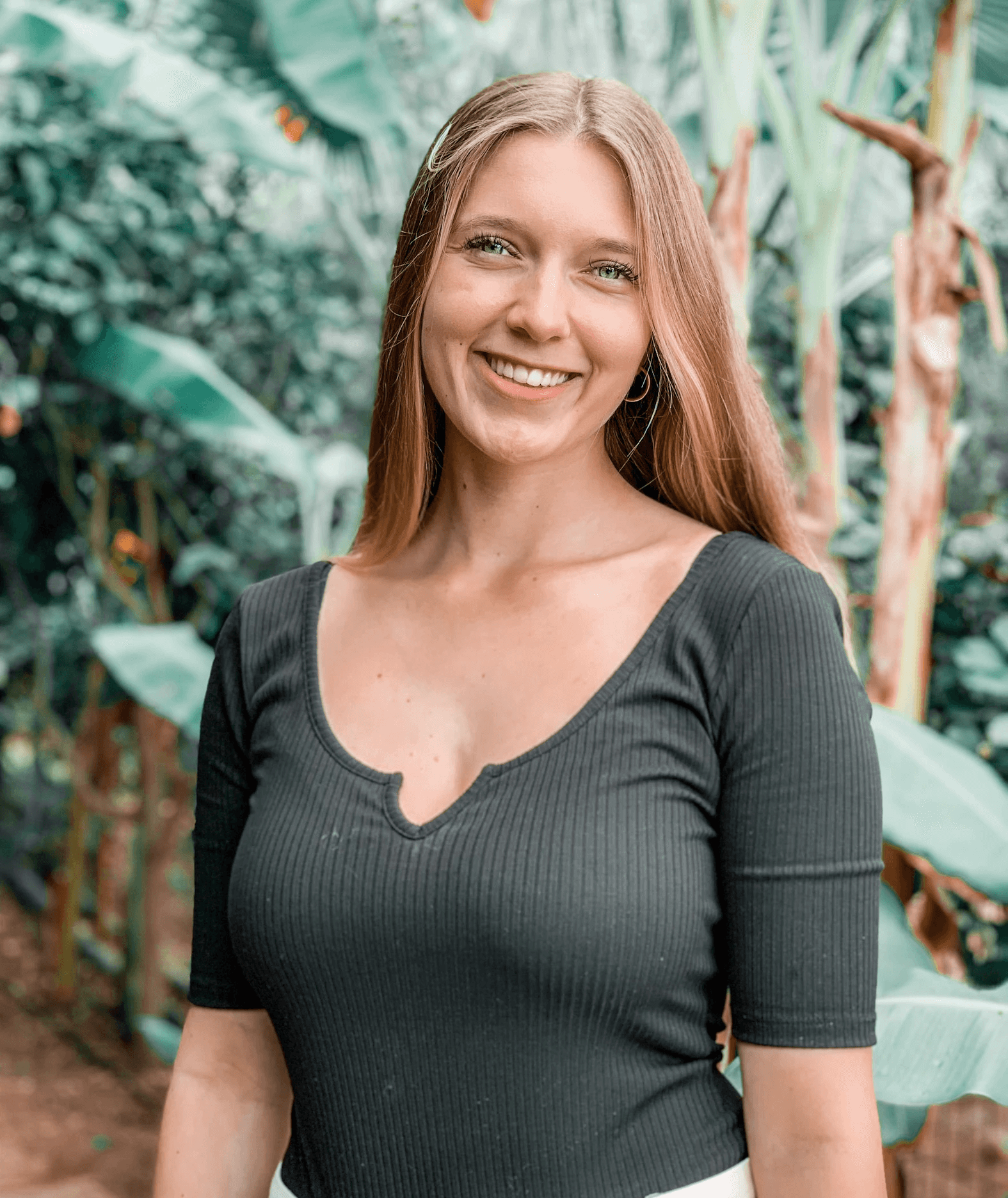
Natalie Läubli is a breath expert and author specializing in nervous system regulation, working with private clients, athletes, and luxury hospitality environments across the world.
Her approach is grounded in physiology first. Breath is not a wellness trend in her work; it is the most direct access point into the autonomic nervous system, and she treats it with the precision that demands.
With experience across five-star environments internationally, she brings the same standard to every collaboration: depth, discretion, and a result that people feel long after the session ends.
Philosophy
There are a lot of breathwork facilitators in the world right now.
Most will tell you they'll guide you toward awakening, transformation, or something spiritual. I won't. Not because those things aren't real, but because I don't think you need to be awakened. I think you need to make different choices. And the only person who can do that is you.
My job is not to be your guru. It's not to perform something impressive or claim I have answers you don't. I am still learning — genuinely, actively — and I always will be. What I do have is years of deep study into breath and the nervous system, a lot of hours with a lot of different people, and something I can't fully explain but won't pretend isn't there: the ability to read what someone needs before they've said a word.
That's not mysticism. It's attention. Years of it, trained on the body's signals, not someone's story about themselves.
Every person I work with is different. The approach changes because it has to. What doesn't change is the standard — precise, science-grounded, completely adapted to you.
You do the work. I just know how to hold the space so it's actually possible.

THE FOUNDATION
Before anything can be optimised, it needs to be regulated.
Breath is the only autonomic function you can consciously control, which makes it the most direct access point into the nervous system available to you. Not a wellness concept. Not a relaxation technique. A measurable, physiological lever that shifts how the body responds to stress, recovers from demand, and sustains performance over time.
This is the layer most people skip. It is also the one everything else depends on.
FAQ's
Frequently
Asked QuestionsIs this spiritual or religious in any way?
No. This work is grounded in physiology, not belief. You don't need a particular worldview, spiritual practice, or openness to anything other than your own body. Breath influences the autonomic nervous system whether you believe in it or not — that's not a philosophy, it's a reflex. If you're sceptical, good. Sceptical people tend to find the results more interesting.
What can I expect to feel after a session?
Most people describe a sense of clarity, physical lightness, or a kind of quiet that feels different from ordinary relaxation. Some notice shifts that continue over the following hours or days as the nervous system integrates. What I won't promise is a specific emotional experience — the body leads, and it tends to know what it needs better than either of us does going in.
Do I need prior experience with breathwork?
No. The approach is built around where you are, not where you think you should be. Whether you've never thought about your breath before or you've been working with it for years, the entry point is the same: your current state, right now.
Are all sessions the same?
No two sessions are identical because no two people — or moments — are. There is always a clear structure and intention, but the way it unfolds is responsive. I pay close attention to what your body is communicating, often before you've said anything, and the session adapts accordingly.

If you're curious whether this work is relevant to where you are right now, the most useful next step is a conversation — not a commitment.