
What It Means to Feel Safe in Your Body
Most people who come to me have tried to relax before.
They've done the meditation apps, the yoga classes, the long baths. They know, intellectually, that they should be able to unwind. And yet there's always something, a residual tension, a background hum, a sense that even in the quiet moments the system hasn't quite let go.
This is not a discipline problem. It's not a mindset problem either.
It's the difference between a body that is managed and a body that is actually at ease. And most people have never experienced the second one long enough to know what they're missing.
Here's what I mean: a large number of people who appear calm are running significant internal effort to maintain that appearance. Slightly restricted breath. Constant low-level alertness. A quiet but persistent sense of needing to stay in control. Over time this baseline becomes so familiar that it stops feeling like tension — it just feels like who you are.
From that place, real relaxation doesn't just feel unfamiliar. Sometimes it feels unsafe.
This is where most approaches miss the mark. You cannot think your way into felt safety. You can know, completely and rationally, that you are not in danger, and still feel the bracing in your chest, the held quality of your exhale, the body that won't quite soften. Understanding safety and experiencing it are two entirely different things.
Safety is not a thought. It's a state the nervous system either enters or it doesn't.
Which is also why you can't force it. And this is the distinction I find most people have never encountered before: there is a difference between trying to relax and the body actually being available to relax. Most techniques address the first. Real change requires the second.
Breathwork, when applied with precision, isn't about controlling the breath or pushing the system toward calm. It's about creating the conditions where the nervous system no longer perceives a need to hold. Where the body reorganises itself — not because it was told to, but because the signal to brace has finally quietened enough that it can.
When that shift happens, it's unmistakable.
The breath drops without effort. The body softens without instruction. There's more space — not because anything was added, but because the system has stopped spending all its energy preparing for what might happen next.
That's what safety in the body actually feels like.
Not the absence of intensity. Not perfect calm. Just a nervous system that no longer has to work so hard to keep everything together.
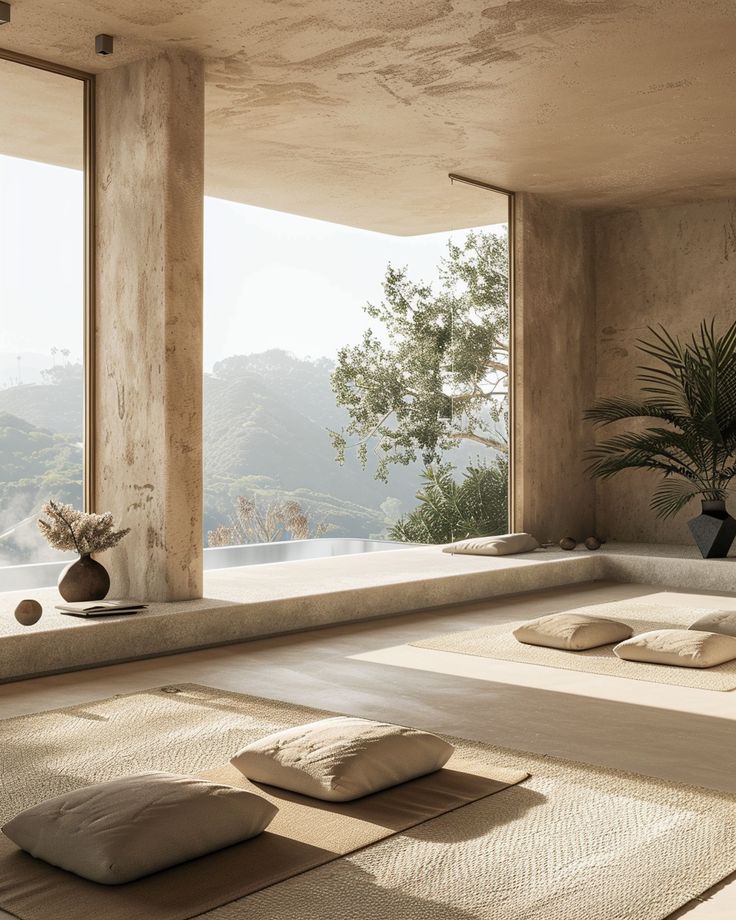


Every session is individually designed